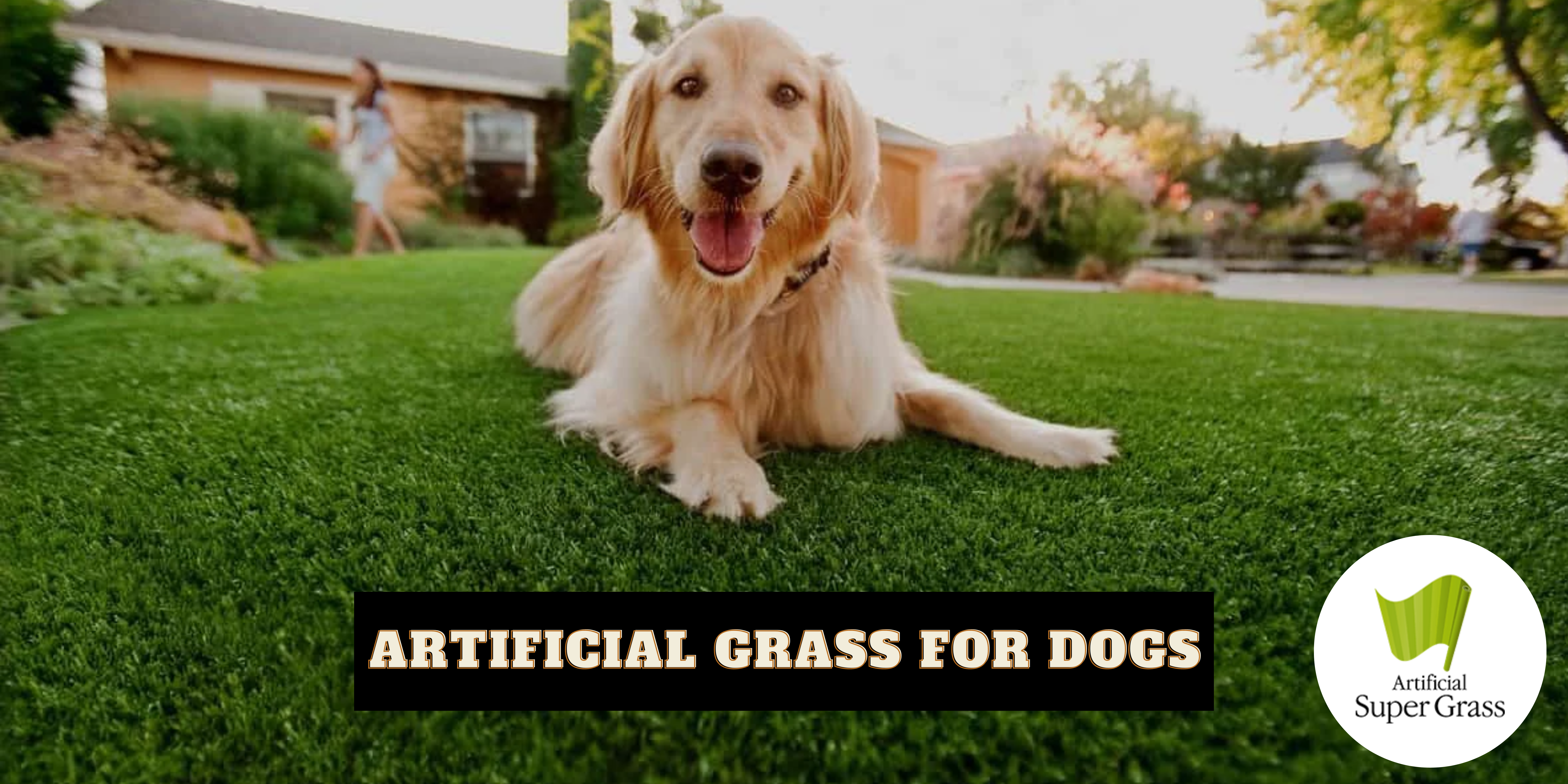
Choosing artificial grass for a garden is one thing. Choosing artificial grass for dogs is a little different.
Dogs use a lawn in ways people do not. They run, roll, dig, lie down, and return to the same spots day after day. That means the grass needs to do more than look good. It needs to be comfortable, easy to clean, durable enough for regular use, and built in a way that helps keep the area fresh.
For many pet owners, artificial grass is a practical alternative to a natural lawn. It can help reduce mud, stop worn patches from developing, and create a cleaner garden all year round. But the best results usually come from choosing the right type of grass from the start.
If you are wondering how to choose the best artificial grass for dogs, here are the main things to look for before making a decision.
Why Dog Owners Choose Artificial Grass
Natural grass can be difficult to manage when dogs use the garden every day. Repeated toilet spots can leave discoloured areas, active dogs can wear down paths in the lawn, and wet weather often means muddy paws through the house.
Artificial grass offers a cleaner and more consistent surface. It stays green through the seasons, is easier to rinse off, and removes many of the usual lawn care problems that come with pets.
It can be a good choice for:
- busy family gardens
- dog toilet areas
- small gardens where wear shows quickly
- homes with more than one dog
- owners who want less mess indoors
That said, not every artificial grass product is equally suitable for dogs. Some options are far better than others when it comes to comfort, drainage, and everyday practicality. This is why many homeowners start by comparing practical pet-focused options such as artificial grass in Liverpool before deciding what will work best in their own garden.
Start With Drainage
If there is one feature that matters most for dog-friendly artificial grass, it is drainage.
Dogs will use the lawn in practical ways, so the surface needs to allow liquids to pass through efficiently. Good drainage helps prevent water and urine from sitting in the grass, which makes cleaning easier and reduces the risk of lingering smells.
When choosing artificial grass for dogs, look for a product and installation system that supports strong drainage. This usually depends on:
- the backing of the turf
- the way the base is built underneath
- how well the area has been installed overall
A well-draining lawn is easier to keep fresh and more pleasant to use long term. Poor drainage, on the other hand, is one of the quickest ways for a pet area to become frustrating.
Think About Pile Height
Pile height is the length of the grass fibres, and it matters more for dogs than many people expect.
A very long pile can look lush, but it often makes cleaning less practical because solid waste can sit deeper in the fibres and the grass may stay damp longer after rinsing. A more moderate pile is often a better fit for dog use because it is easier to clean while still feeling comfortable.
The best option usually sits somewhere in the middle:
- not too short that it feels harsh
- not too long that it becomes awkward to clean
- practical enough for regular rinsing and daily use
This balance helps keep the lawn comfortable for your dog while also making it easier for you to look after.
Look for Good Density and Strength
Dogs put pressure on a lawn in a different way than people do. Running, scratching, quick turns, and repeated use of the same routes all test the surface.
That is why density and durability matter. A better quality artificial grass with a stronger structure will usually recover better from daily use and keep its appearance for longer.
When comparing products, pay attention to whether the grass feels:
- full rather than sparse
- supportive underfoot
- strong enough to cope with movement
- well made rather than flimsy
For larger or more active dogs, this becomes even more important. A lawn that looks nice at first but flattens too quickly or wears badly in common paths is unlikely to be the best choice.
Choose a Comfortable Fibre
Dogs spend much more time in direct contact with the lawn than humans do. They lie on it, stretch on it, and move across it with bare paws all day. That means the feel of the grass really matters.
The best artificial grass for dogs should feel soft enough to be comfortable while still being durable enough to cope with use. If the fibres feel too coarse or stiff, the lawn may be less enjoyable for pets, especially if they like to rest outside.
A good sample test can help here. Touch the grass, press it with your hand, and imagine how it would feel for a dog lying on it for longer periods.
Safety Comes First
Pet-friendly artificial grass should be made from materials that are safe for regular animal contact.
One of the big advantages of artificial grass is that it can reduce the need for lawn chemicals such as fertilisers, weedkillers, and other treatments often used on natural lawns. That can help make the garden a more controlled and pet-friendly space overall.
When choosing a product, it is sensible to look for grass that feels suitable for pets and does not rely on harsh maintenance products to stay looking good.
Odour Control Matters
Many dog owners worry most about smell, and understandably so.
Artificial grass does not absorb and break down waste in the same way as natural grass, so the system needs to be designed with cleaning and drainage in mind. A lawn can stay fresh, but only if the right materials and maintenance routine are in place.
Odour control usually depends on:
- good drainage
- regular rinsing
- quick cleanup of solid waste
- suitable infill if used
- a well-prepared base underneath
This is why dog-friendly artificial grass is not just about the visible surface. It is about how the entire system handles regular pet use.
Do Not Overlook Heat
Heat is another factor worth thinking about, especially in more exposed gardens.
Artificial grass can become warmer than natural grass in direct sunlight. For many UK gardens this is manageable, but in particularly sunny spots it is still something to consider. If your dog spends a lot of time outdoors, comfort underfoot matters.
Shade, watering the surface lightly in hot conditions, and choosing a suitable product can all help. When comparing samples, it is worth remembering that the garden itself, not just the grass, affects how warm the area becomes.
Installation Matters Just as Much as the Grass
Even the best artificial grass for dogs will struggle if it is installed badly.
A poor installation can lead to drainage problems, unstable areas, trapped smells, visible joins, lifting edges, or an uneven feel underfoot. For pet owners, these issues tend to become obvious quickly because the lawn gets practical use every day.
A good dog-friendly installation should include:
- a strong, draining base
- proper edge fixing
- good support underneath the grass
- careful preparation
- a finish that stays stable with repeated use
This is often the difference between a lawn that works well for dogs and one that becomes difficult to keep fresh. That is also why some pet owners look closely at broader local examples like artificial grass in Woking, where family gardens need to balance appearance with durability and easy maintenance.
Maintenance Should Be Realistic
Artificial grass for dogs is easier to manage than a natural lawn, but it still needs some maintenance.
The best option is usually one that fits a realistic routine. That means a lawn you can rinse, brush, and clean without too much effort.
For most dog owners, regular care includes:
- picking up solid waste promptly
- rinsing the surface often enough
- brushing the fibres now and then
- keeping the area free of debris
- checking that drainage stays clear
The easier the grass is to clean, the more enjoyable it will be to live with.
Why Choose Artificial Super Grass
At Artificial Super Grass, a dog-friendly lawn should not just look neat on installation day. It should work well in daily life, stay practical through regular use, and make the garden easier to enjoy for both pets and owners.
That means paying attention to the details that matter most for dogs, including drainage, comfort, durability, and ease of cleaning. When those things are handled properly, artificial grass can create a cleaner, tidier, and more usable outdoor space all year round.
If you are comparing options for your own garden, requesting free artificial grass samples can help you judge the texture, density, and look of different products before making a final decision.
Final Thoughts
If you want to choose the best artificial grass for dogs, focus on what really matters in everyday use. Good drainage should come first, followed by practical pile height, strong density, comfortable fibres, and an installation that supports long-term cleanliness.
The right dog-friendly artificial grass can help reduce mud, make the garden easier to clean, and give your pet a surface that is comfortable and consistent throughout the year. It is not just about choosing something green. It is about choosing something that works well for your dog and your home.
And if you want tailored advice before moving ahead, you can always get an installation quote to make sure the lawn is right for both your garden and your dog.