How to Install Artificial Grass – Step-by-Step UK Installation Guide
Installing artificial grass correctly is the key to achieving a long-lasting, natural-looking lawn that drains properly and stays firm underfoot. Whether you’re planning a full garden transformation or replacing an existing lawn, proper ground preparation and installation technique make all the difference.
This step-by-step artificial grass installation guide explains how to prepare the ground, how deep to excavate, which sub-base materials to use, and how to lay artificial grass securely for a professional finish. When installed correctly on a solid MOT Type 1 sub-base with the correct sand layer and weed membrane, artificial grass can last 10–15+ years with minimal maintenance.
The process is straightforward when broken down into simple stages: removing the existing lawn, excavating to the correct depth, installing a stable sub-base, laying the grass, and brushing to finish.
Follow the installation steps below carefully to ensure proper drainage, long-term stability, and a perfectly level artificial lawn.
Existing Lawn
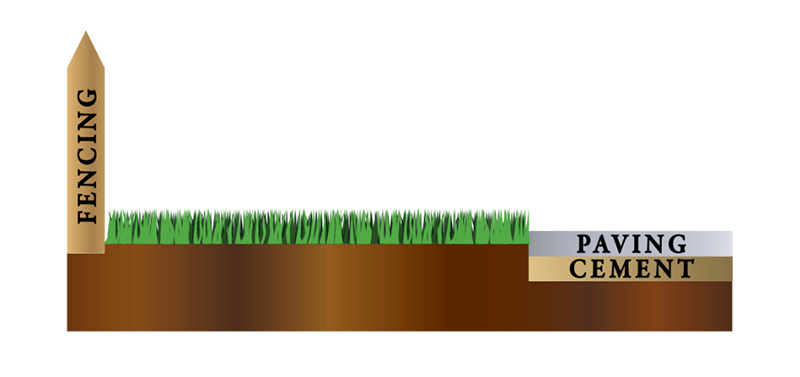
Remove all existing turf, roots and organic material before installing artificial grass. Artificial grass should never be laid directly onto soil or natural lawn. Clear the area fully to prevent future sinking, uneven ground and weed growth. Proper ground preparation is the foundation of a long-lasting artificial grass installation.


Excavation
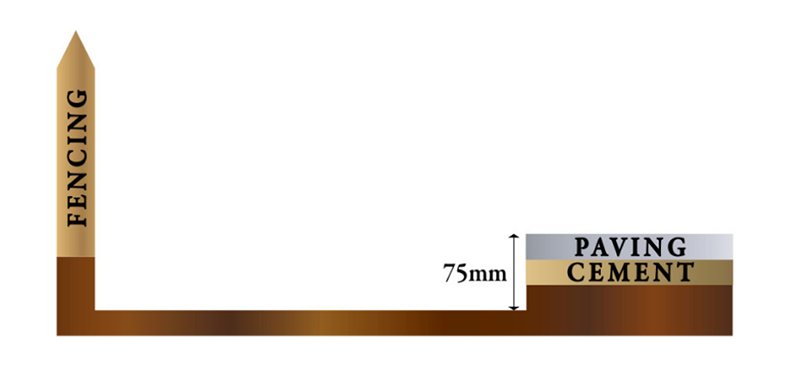
Excavate the area to the correct depth depending on your installation type. For most soil gardens, dig 75mm below finished paving level to allow space for a solid, primary MOT Type 1 or limestone sub-base and a secondary granite dust or sharp sand layer. Excavating the correct depth ensures proper drainage and long-term stability.
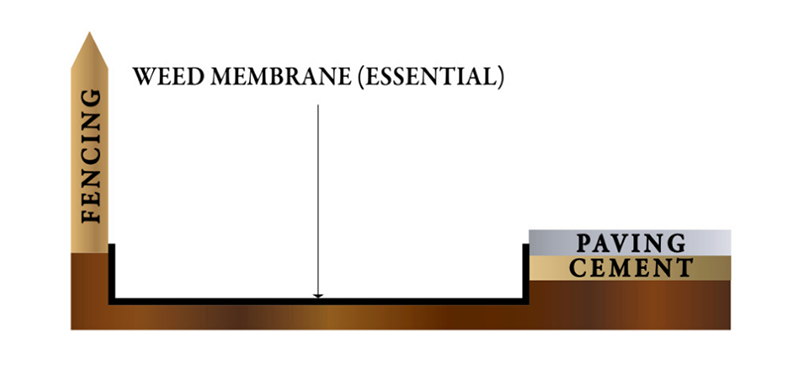
Weed Membrane (essential)
Install a high-quality weed membrane directly onto the prepared ground before adding your sub-base. Secure using artificial grass U-pins or galvanised nails, ensuring full coverage of the exposed soil. A weed membrane helps prevent unwanted weed growth beneath your artificial lawn while allowing water to drain naturally.


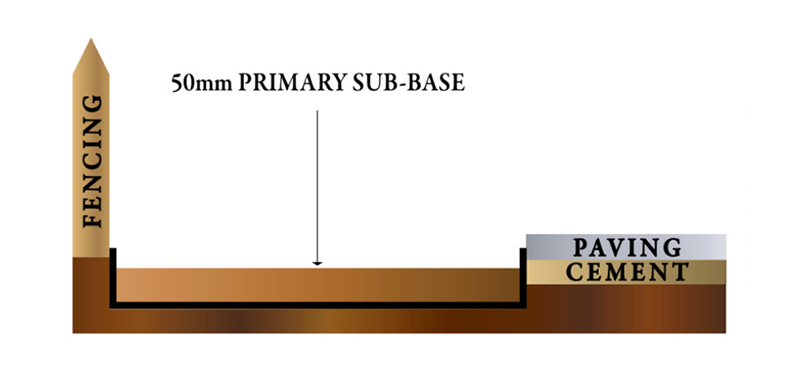
50mm Primary Sub-base
For a standard 75mm installation, add approximately 50mm of MOT Type 1 or limestone sub-base and compact thoroughly using a wacker plate. This creates a strong, load-bearing foundation that prevents sinking and movement. Proper compaction is essential for a professional artificial grass finish.
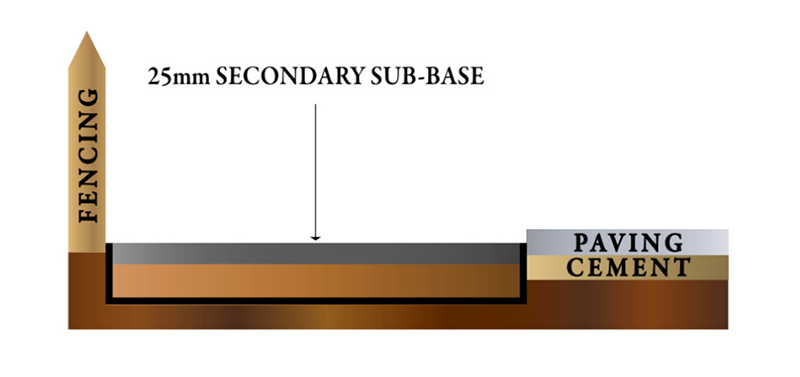
25mm Secondary Sub-base
Apply a 20–25mm layer of granite dust or sharp sand over the sub-base, level evenly and compact thoroughly using a wacker plate. This provides a smooth laying surface for your artificial grass.


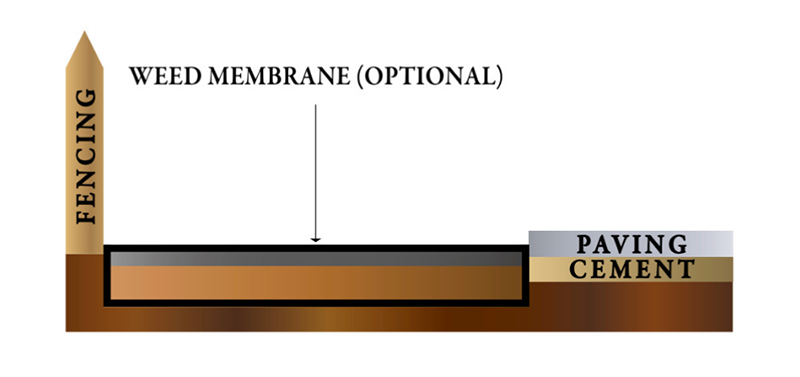
Weed Membrane - Layer 2 (optional)
For added protection and long-term durability, a second weed membrane layer can be installed on top of the compacted sub-base before laying the artificial grass. This optional step provides additional weed control without affecting drainage.
Grass Installation
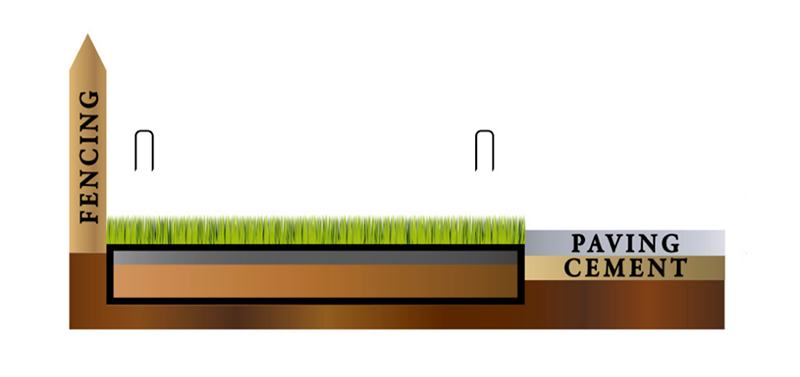
Roll out the artificial grass and allow it to settle before trimming. Cut carefully from the backing using a sharp Stanley knife, ensuring the pile direction runs consistently across the area. Secure the perimeter with artificial grass U-pins or galvanised nails at regular intervals to prevent movement.


Brush-Up
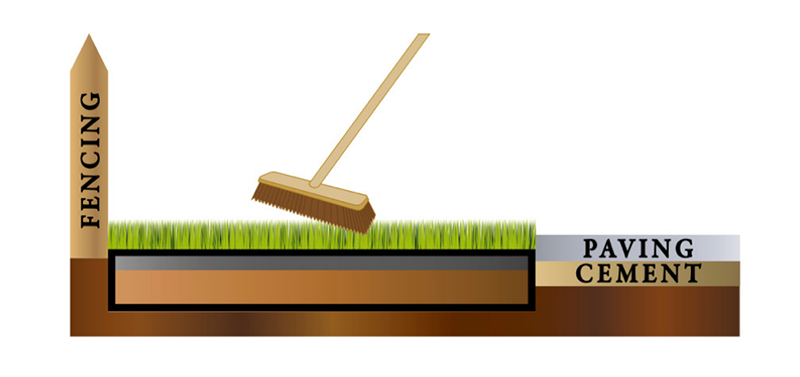
Once installed, brush the artificial grass against the pile direction using a stiff broom or mechanical power brush. This lifts the fibres, removes installation marks and creates a natural, manicured finish. Regular brushing helps maintain the appearance of your artificial lawn.
* Important: Do not use kiln-dried sand to secure artificial grass. Kiln-dried sand can block the drainage holes in the backing and restrict water flow. It can also create a surface layer where wind-blown seeds may settle and germinate, leading to unwanted weed growth.
Artificial Grass Ground Preparation Calculator
Not Sure How Much Sub-Base You Need?
Getting the correct quantities of MOT Type 1 or limestone and granite dust or sharp sand is essential for a stable artificial grass installation. Ordering too little can delay your project, while ordering too much increases unnecessary costs.
Use our Artificial Grass Ground Preparation Calculator below to instantly calculate:
- Total square metre coverage
- Recommended excavation depth
- Required primary sub-base volume
- Required secondary sub-base quantity
Simply enter your garden dimensions and let the calculator do the hard work for you.