
0
Top Reasons Why Choose Artificial Grass for Your Garden

Choosing the right lawn can have a major effect on how your garden looks, feels, and functions throughout the year. Natural grass can create an attractive finish, but it also brings regular mowing, watering, feeding, reseeding, weed control, and seasonal repairs.

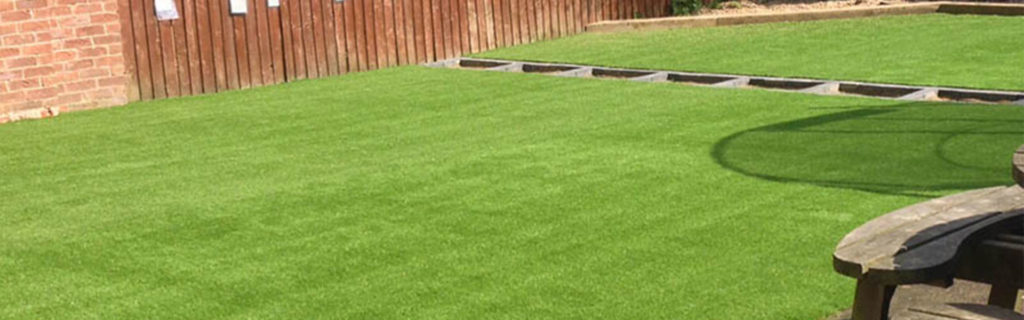
For many UK homeowners, artificial grass offers a more practical alternative. It creates a clean, green, and usable outdoor surface without the same level of ongoing lawn care. It can be used in family gardens, pet areas, shaded spaces, balconies, play zones, and other locations where natural turf may struggle.

The benefits of artificial grass go beyond appearance. A properly selected and installed lawn can reduce mud, handle frequent use, improve difficult garden areas, and make the outdoor space easier to enjoy in different weather conditions.

This guide explains the top reasons to choose artificial grass for your garden, along with the key points to consider before making the switch.

Why More UK Homeowners Are Choosing Artificial Grass

UK gardens face changing weather throughout the year. Heavy rainfall can leave natural lawns muddy and soft, while dry periods may create brown patches and weak grass. Shaded areas can become thin or mossy, and frequently used sections may struggle to recover.

Artificial grass offers a consistent surface that does not depend on ideal growing conditions. It remains green without regular mowing, feeding, or reseeding, and it can be designed to suit different levels of garden use.

The biggest advantages usually include:

  • lower routine maintenance
  • a green appearance throughout the year
  • fewer muddy and worn areas
  • practical use for children and pets
  • reliable performance in shaded spaces
  • greater flexibility in garden design

The exact benefits depend on the product quality, installation method, and how the garden will be used.

1. Less Time Spent Maintaining the Lawn

One of the main reasons to choose artificial grass is the reduction in routine lawn maintenance.

A natural lawn may need cutting every week during the growing season. It can also require edging, watering, feeding, aerating, weed treatment, moss control, and repairs to damaged areas.

Artificial grass removes most of those jobs. It does not grow, so there is no mowing or edging. It does not need fertiliser or reseeding, and its colour does not depend on regular watering.

Basic artificial grass maintenance usually involves removing leaves, brushing busy sections, cleaning spills, and rinsing pet areas when needed. These jobs are generally quicker and less demanding than caring for natural turf.

This makes artificial grass particularly useful for busy families, landlords, older homeowners, holiday properties, and anyone who wants to spend more time using the garden instead of maintaining it.

2. A Green Garden Throughout the Year

Natural grass can change significantly between seasons. It may look healthy during spring but become dry in summer, muddy in winter, or patchy after periods of heavy use.

Artificial grass keeps a more consistent appearance throughout the year. It does not turn brown because of drought, lose colour during winter, or become bare where people walk regularly.

Modern products also look more realistic than older synthetic turf. Manufacturers use different shades of green, varied fibre shapes, and brown or beige thatch to create a more natural finish.

The right artificial grass can help the garden look tidy during:

  • wet winter weather
  • dry summer periods
  • shaded conditions
  • heavy family use
  • seasonal changes

This year-round appearance is one of the strongest reasons homeowners choose artificial grass for UK gardens.

3. Fewer Muddy and Worn Patches

Mud is a common problem in gardens with natural grass, especially during autumn and winter.

Repeated rain softens the ground, while children, pets, and regular foot traffic damage the lawn surface. Areas near back doors, gates, sheds, seating spaces, and play equipment often become worn first.

Once the grass becomes thin, exposed soil holds more water and the area becomes even harder to restore.

A properly installed artificial lawn creates a stable surface without exposed topsoil. Rainwater passes through the grass backing and into the drainage layers below, helping the area remain cleaner after wet weather.

This can mean:

  • fewer muddy footprints indoors
  • cleaner paws after garden use
  • more reliable access to sheds and seating areas
  • less damage around play equipment
  • a tidier garden during wet months

Good drainage remains essential. Artificial grass should not simply be laid over waterlogged soil, as the base underneath still needs to move water away effectively.

4. A More Practical Lawn for Children

Family gardens need to cope with much more than light foot traffic.

Children may run, sit, play games, use paddling pools, and place toys or play equipment on the lawn. Natural grass can become compacted, worn, or muddy under that level of activity.

Artificial grass provides a more consistent play surface. It does not develop bare patches in busy areas, and it can be used more easily after rain.

For family gardens, it is important to choose grass that balances softness with durability. A very long pile may feel luxurious, but a dense medium-pile product may recover more effectively after frequent activity.

Other considerations include:

  • fibre density
  • comfort underfoot
  • secure edging
  • proper drainage
  • compatibility with shock-pad underlay
  • suitability for regular family use

Artificial grass can also work well beneath trampolines, climbing frames, and temporary play equipment, although the fibres may need brushing after heavy items are moved.

5. A Cleaner Option for Dog-Friendly Gardens

Artificial grass is also popular with dog owners because it reduces many of the problems associated with natural lawns.

Dogs can create worn running routes, muddy patches, holes, and discoloured sections through repeated use. Wet weather can also lead to muddy paws every time the dog goes outside.

A suitable artificial lawn gives dogs a cleaner surface for running, playing, and toilet use. Solid waste can be collected from the surface, while urine passes through the backing into the drainage layers below.

Regular rinsing and occasional enzyme cleaning help keep high-use areas fresh. The installation must also include a suitable base, because pet odours often develop when liquid becomes trapped underneath rather than draining properly.

When choosing artificial grass for dogs, look beyond the product label. Important factors include:

  • drainage performance
  • non-absorbent fibres
  • easy cleaning
  • pile height
  • density and durability
  • correct pet-friendly base preparation

This is why homeowners considering artificial grass in Ilford or other UK locations should discuss the complete pet-lawn system rather than choosing turf based on appearance alone.

6. Better Results in Shaded Garden Areas

Natural grass often struggles in places that receive limited sunlight.

Areas beneath trees, beside tall fences, between buildings, or in north-facing gardens may become thin, damp, or covered in moss. Even repeated reseeding may fail if the growing conditions remain unsuitable.

Artificial grass does not need sunlight, fertiliser, or healthy soil to maintain its appearance. This makes it useful in shaded areas where natural turf repeatedly performs poorly.

It can help improve:

  • shaded back gardens
  • narrow side passages
  • courtyards
  • areas under tree cover
  • enclosed urban gardens
  • spaces beside walls and fencing

Tree roots and drainage still need to be considered during installation. The grass should not be laid in a way that damages established roots or traps moisture around the base of a tree.

7. Greater Durability in Busy Gardens

High-quality artificial grass is designed to handle regular foot traffic, changing weather, furniture, pets, and everyday garden activity.

Unlike natural turf, it does not need time to regrow after being used heavily. This can make it a more dependable option for gardens that serve several purposes.

Durability depends on more than pile height. Fibre shape, density, backing quality, UV stability, base construction, and installation all affect how the lawn performs over time.

A dense artificial grass usually hides the backing more effectively and recovers better after compression. Secure edging and careful joining also help prevent movement and visible seams.

The lawn may still need brushing in areas used frequently, especially around doors, furniture, play equipment, and pet routes. However, it generally maintains a more even finish than natural grass under the same conditions.

8. More Flexibility in Garden Design

Artificial grass can be used in places where a natural lawn would be difficult or impossible to maintain.

It can be fitted on soil with the correct sub-base, but it can also be used on concrete, paving, decking, terraces, rooftops, and balconies when the surface and drainage are suitable.

This gives homeowners more flexibility when redesigning outdoor spaces.

Artificial grass can be combined with:

  • patios and paving
  • raised flower beds
  • gravel sections
  • garden seating
  • play areas
  • pathways
  • decking
  • outdoor kitchens

It can also be cut around curves, trees, steps, posts, and garden buildings.

A shorter pile can create a neat finish in modern or furniture-heavy spaces. Medium-pile grass often works well for general family gardens, while longer products may suit decorative areas where softness and appearance are the main priorities.

9. Reduced Need for Water and Lawn Products

Natural grass may need regular watering during dry weather, especially if homeowners want to maintain a green appearance.

It can also require fertiliser, weed treatments, moss control, pesticides, and other lawn-care products.

Artificial grass does not need watering to remain green. Water is generally only required for cleaning, rinsing pet zones, or temporarily cooling the surface during particularly warm weather.

It also removes the need for routine fertilising and reseeding.

Artificial lawns are not completely weed-proof, as airborne seeds may grow in surface debris or around edges. However, regular cleaning and a suitable weed membrane can greatly reduce the problem.

For many households, the reduction in water use and lawn products makes garden care simpler and more predictable.

10. More Reliable Use Through Changing Weather

A natural lawn can become difficult to use after prolonged rain. Saturated soil may feel soft, furniture can sink, and regular activity may damage the grass.

Artificial grass provides a firmer and more dependable surface when it has been installed on a stable, well-draining base.

This makes the garden easier to use for:

  • outdoor seating
  • children’s play
  • pet exercise
  • entertaining
  • access to sheds and garden buildings
  • everyday movement between the home and garden

This benefit is particularly valuable in smaller UK gardens. When outdoor space is limited, homeowners often want every section to remain useful throughout the year.

11. Potential Long-Term Savings

Artificial grass normally costs more to install initially than seeding or returfing a natural lawn. However, the longer-term cost comparison includes ongoing maintenance.

Natural lawns may involve spending on:

  • lawnmowers and tools
  • fuel or electricity
  • water
  • fertilisers
  • weed treatments
  • seed and topsoil
  • professional lawn care
  • repairs to damaged areas

Artificial grass removes many of these repeated expenses. It may still require cleaning products, brushing tools, or occasional professional maintenance, but the ongoing costs are often lower and easier to predict.

Whether it provides an overall financial saving depends on the garden size, product quality, installation cost, and previous lawn-care expenses.

For most homeowners, the main value comes from combining lower maintenance with a cleaner, more usable garden.

What to Consider Before Installing Artificial Grass

Artificial grass offers many benefits, but it should still be chosen carefully.

The surface can become warmer than natural grass in strong direct sunlight. It also does not provide the same habitat as a living lawn, so planting, borders, trees, and natural areas may still be important within the garden design.

Before choosing a product, consider:

  • how the garden will be used
  • whether children or pets will use the lawn
  • the amount of foot traffic
  • shade and sunlight
  • existing drainage
  • soil conditions
  • surrounding paving and levels
  • preferred pile height and density

It is also important to view samples outdoors. Artificial grass can look different in natural light compared with photographs or indoor displays.

Why Installation Quality Matters

The benefits of artificial grass depend heavily on how it is installed.

Poor excavation, weak compaction, inadequate drainage, loose edging, and badly prepared joins can lead to problems even when the turf itself is good quality.

A proper installation usually includes removing the old lawn, setting the correct levels, building a compacted sub-base, adding a smooth laying course, fitting a weed membrane, positioning the rolls correctly, and securing the perimeter.

The exact method should respond to the garden rather than following one identical specification for every site.

Heavy clay, tree roots, slopes, restricted access, and poor existing drainage may all require additional planning.

How Artificial Super Grass Helps You Choose the Right Lawn

At Artificial Super Grass, the right lawn is selected according to how the garden needs to perform.

A dog-friendly garden may need strong drainage and easy cleaning. A family lawn may need density, softness, and resilience. A decorative space may place more importance on colour and a fuller appearance.

Ground preparation, edging, drainage, and roll layout are also considered because the visible grass is only one part of the complete installation.

You can order free artificial grass samples to compare different pile heights, shades, textures, and densities in your own outdoor space. Viewing the samples beside your paving, planting, furniture, and fencing can make the final decision much easier.

Final Thoughts

The top reasons to choose artificial grass for your garden include lower maintenance, year-round colour, fewer muddy areas, better performance under regular use, and more flexibility in difficult or shaded spaces.

It can create a cleaner lawn for pets, a dependable play surface for children, and a more usable garden through changing UK weather. It can also reduce the need for mowing, watering, reseeding, and lawn treatments.

The best results depend on choosing a suitable product and installing it on a properly prepared foundation. Pile height, density, drainage, edging, base construction, and intended use should all be considered before the project begins.

For help comparing products and planning the complete lawn, you can request a free installation quote based on your garden size, access, drainage, and intended use.

Leave a Reply

Your email address will not be published. Required fields are marked *

Get a FREE Sample Pack Get an Installation Quote