
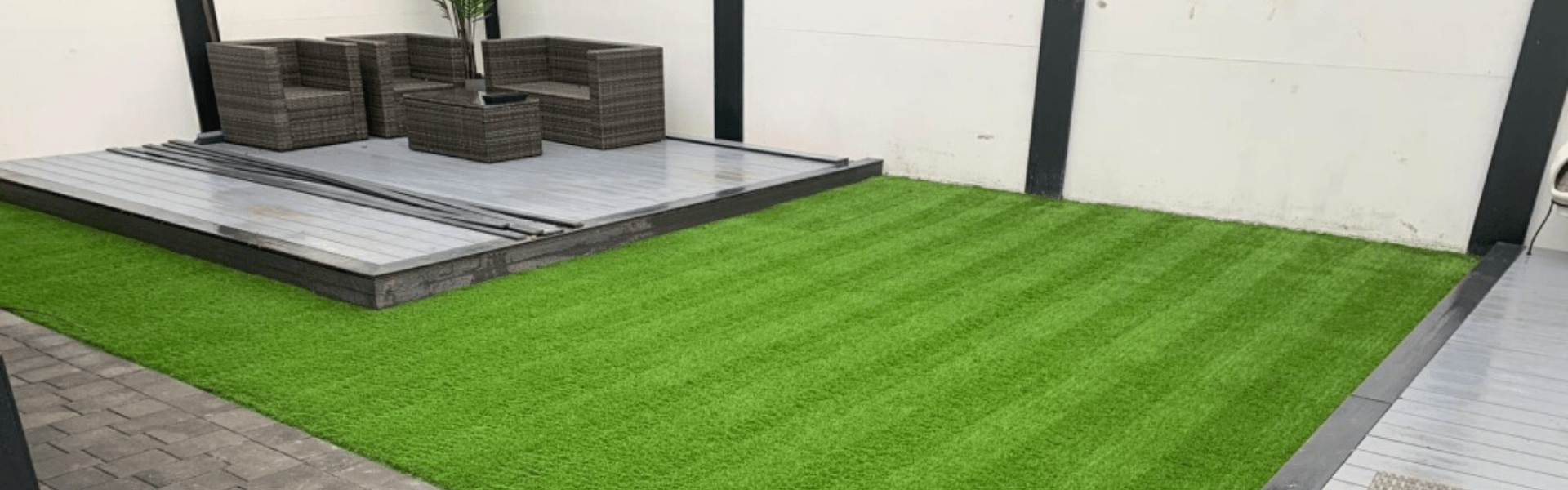
A garden should be a space you can use and enjoy, not another job that constantly needs attention. Yet many homeowners spend large parts of the year dealing with muddy patches, uneven growth, weeds, worn areas, and a lawn that only looks its best for a short period.
Artificial grass offers a practical way to change that. A properly planned installation can turn a difficult natural lawn into a cleaner, greener, and more dependable outdoor surface. It can make the garden easier to maintain, more suitable for children and pets, and more usable through changing UK weather.
For homeowners considering an artificial grass installation in Doncaster, the best results come from looking beyond the visible turf. Product quality matters, but so do drainage, excavation, base preparation, edging, pile direction, and the way the garden will be used after installation.
This guide explains how artificial grass can transform a Doncaster outdoor space, what benefits it can bring, and what needs to happen before the first roll is laid.
Why Natural Lawns Can Be Difficult to Maintain
Natural grass depends on the right combination of sunlight, soil, drainage, water, and regular care. When one of those conditions is poor, the lawn can quickly become difficult to manage.
In many gardens, the same problems return every year. Shaded sections become thin or mossy, heavy foot traffic creates bare routes, and wet weather turns weak areas into mud. During dry periods, the lawn may lose colour or require regular watering to stay healthy.
Maintaining it can involve mowing, edging, feeding, aerating, reseeding, moss control, and repairing damaged areas. Even then, pets, children, garden furniture, and changing weather can undo much of that work.
Artificial grass removes the need to keep a living lawn healthy. Instead, it creates a consistent surface designed around how the garden is actually used.
A Cleaner Garden Through Wet Weather
One of the biggest reasons homeowners switch to artificial grass is the reduction in mud.
Natural turf can become soft and damaged after repeated rainfall. Once children, pets, or regular foot traffic move across it, the surface begins to break apart and exposed soil is carried back into the home.
Artificial grass creates a barrier between everyday activity and the soil underneath. When installed on a suitable base, rainwater passes through the turf backing and into the drainage layers below.
This can help keep patios, hallways, floors, shoes, and paws much cleaner during wet weather. It also makes the lawn more dependable after rain because the surface does not need the same recovery time as natural grass.
Drainage must still be planned properly. Artificial turf cannot solve waterlogging if it is laid over a weak or unsuitable foundation. The full installation should allow water to move through the grass, base, and surrounding ground without collecting in low sections.
Year-Round Colour Without Constant Lawn Care
Artificial grass maintains a green appearance throughout the seasons without mowing, feeding, or reseeding.
Natural lawns often change significantly between winter and summer. They may become brown during dry periods, muddy during winter, or patchy after heavy use. Artificial grass does not depend on growing conditions, so it remains more consistent throughout the year.
Modern products also look far more realistic than older synthetic turf. Different shades of green, varied fibre shapes, and brown or beige thatch create a more natural-looking finish.
The right product should suit the property rather than appearing excessively bright or uniform. Viewing samples outdoors is important because the colour can look different beside your fencing, paving, plants, and garden furniture.
Making Family Gardens More Practical
A family garden needs to cope with activity, not just look attractive.
Children may run, play, sit, use paddling pools, and leave toys on the lawn. Trampolines, climbing frames, tables, and chairs can remain in place for long periods. Natural grass often becomes worn or muddy under that level of use.
Artificial grass provides a more stable and consistent surface. It does not develop bare paths in the same way as natural turf, and it can usually be used sooner after rainfall.
For a busy garden, the product should provide a practical balance between comfort and durability. A dense medium-pile grass often works well because it feels soft while recovering more effectively after regular use.
Longer grass can create a more luxurious appearance, but it may need more brushing in high-traffic areas. Shorter grass is usually easier to clean and can sit more neatly beneath outdoor furniture.
Creating a Better Lawn for Dogs
Artificial grass can also make everyday garden use easier for dog owners.
Natural lawns often suffer from repeated running routes, muddy paws, digging, and patches damaged by regular toilet use. Artificial grass creates a cleaner surface that does not turn into exposed soil under everyday pet activity.
Solid waste can be collected from the surface, while urine should pass through the backing and into the drainage system underneath. Regular rinsing and occasional use of a suitable enzyme cleaner can help control residue and odours.
The backing is only one part of a pet-friendly lawn. If liquid passes through the turf but becomes trapped in a badly prepared base, smells may still develop. The sub-base should therefore be designed to drain properly and remain easy to maintain.
Pile height also matters. Very long fibres can hold more pet hair and debris, while a shorter or medium pile may be easier to rinse and brush.
Improving Shaded and Difficult Garden Areas
Some outdoor spaces struggle to support natural grass regardless of how much time is spent caring for them.
Areas beside tall fences, between buildings, underneath tree cover, or in north-facing gardens may receive too little light. The lawn can become thin, damp, or covered in moss because the growing conditions are unsuitable.
Artificial grass does not require sunlight, healthy soil, or fertiliser. This makes it suitable for spaces where natural turf repeatedly fails.
It can be used to improve:
- shaded back gardens
- narrow side areas
- courtyards
- small urban gardens
- spaces beside high walls
- sections under light tree cover
Tree roots and drainage still require careful assessment. Artificial grass should not be installed in a way that damages established roots or traps moisture around the tree.
Using Artificial Grass Beyond the Main Lawn
Artificial grass is not limited to replacing a traditional back garden.
It can also add colour and comfort to hard or underused spaces. With the correct installation method, it may be fitted on concrete, paving, decking, terraces, and balconies.
This makes it useful for creating:
- seating areas
- children’s play zones
- pet areas
- roof terraces
- balconies
- garden pathways
- decorative sections beside paving
- green spaces around outdoor buildings
A mainly paved garden can feel softer when artificial grass is added between seating and planting. A small balcony can feel more inviting when a hard concrete surface is covered with a suitable drainage-friendly turf system.
Each surface needs its own preparation. Soil installations require excavation and a compacted base, while hard surfaces need checks for stability, slope, and drainage.
Choosing the Right Artificial Grass for the Space
Artificial grass should be selected according to how the garden will be used.
Pile height is often the first feature people notice, but density, backing, fibre resilience, colour, and drainage are equally important.
A family garden may need a dense product that can handle regular foot traffic. A dog-friendly lawn should be easy to clean and suited to effective drainage. A decorative front garden may place more emphasis on appearance and softness.
The grass should also work with the size and shape of the area. Wider rolls may reduce the number of joins in broad gardens, while smaller or irregular spaces need careful cutting and planning.
Where more than one roll is required, all sections must face the same pile direction. If one section faces the opposite way, the grass can appear to be a different shade even when it comes from the same product.
Why Ground Preparation Is the Most Important Stage
The artificial grass is the visible part of the finished garden, but the foundation underneath determines how well it performs.
A typical soil-based installation begins with removing the existing natural lawn, roots, weeds, and loose topsoil. The area is then excavated to create room for the new base while keeping the final grass level aligned with paths, patios, and borders.
A compacted aggregate sub-base is added to provide stability. A finer laying course is then installed to create a smooth finish directly beneath the turf.
The finished foundation should feel firm and even underfoot. It should not contain soft spots, deep hollows, or loose areas that could sink after rain or regular use.
Poor preparation can lead to:
- dips and uneven sections
- visible ripples
- lifting edges
- water pooling
- movement beneath furniture
- seams becoming more noticeable
This is why a successful installation should be planned as a complete system rather than simply buying a roll of grass.
Drainage Needs to Be Designed Around the Garden
Artificial grass is generally permeable, but the water still needs a safe route after passing through it.
The garden should be checked for existing drainage problems before installation begins. Areas that already remain wet after rain may need changes to the ground levels, base material, or drainage arrangement.
The installer should assess whether water flows towards the house, collects beside paving, or remains trapped in one part of the lawn.
A smooth surface with an appropriate fall helps guide water away. The sub-base must also support drainage rather than acting as a barrier below the grass.
On hard surfaces, visible outlets and existing slopes should remain open. Using too much adhesive can prevent water from moving freely underneath the turf.
Secure Edges and Discreet Joins Create a Better Finish
Edging gives artificial grass its shape and helps keep the perimeter secure.
Depending on the garden, the lawn may be finished against treated timber, composite edging, metal systems, concrete borders, or existing paving. The edging should be installed at the correct height before the final base is completed.
Weak perimeter fixing can lead to loose corners or visible gaps around flower beds and paths.
Joins need equally careful attention. The factory edges should be trimmed, both sections must face the same direction, and the spacing should be close without overlapping.
Joining tape and suitable adhesive are used beneath the seam. Grass fibres should be kept away from the glue so they remain free and hide the finished join.
A neat seam should be difficult to notice from normal standing height.
DIY Installation or Professional Fitting
A small, square lawn with easy access may be manageable for an experienced DIYer. However, larger or more complex gardens require much more work than simply rolling out turf.
DIY installation involves excavation, waste removal, compacting, levelling, edging, cutting, joining, fixing, and brushing. Specialist tools may also need to be hired.
Professional fitting is usually worth considering when:
- the garden has poor drainage
- several joins are required
- the area includes curves or slopes
- access is restricted
- the existing ground is uneven
- tree roots or old paving are present
- the lawn will receive heavy use
A professional site assessment can identify these issues before work begins and help prevent expensive corrections later.
Maintaining the Finished Artificial Lawn
Artificial grass requires less care than natural turf, but it is not completely maintenance-free.
Leaves and debris should be removed before they break down into the pile. Busy areas benefit from occasional brushing to lift flattened fibres, while spills should be cleaned promptly using water and a mild detergent.
Pet owners should collect waste quickly and rinse toilet areas regularly. A suitable enzyme cleaner can be used when stronger odour control is needed.
Direct heat should be kept away from the lawn. Barbecues, fire pits, and hot equipment should always stand on a suitable heat-resistant surface rather than artificial grass.
With simple care, the lawn can remain clean, neat, and usable for many years.
How Artificial Super Grass Helps Doncaster Homeowners
At Artificial Super Grass, the process begins with understanding the outdoor space and how it needs to function.
A family garden, dog-friendly lawn, balcony, shaded area, and decorative space all need different product and installation decisions. Pile height, density, roll width, drainage, base preparation, and edging should support the way the finished space will be used.
You can order free artificial grass samples to compare different textures, colours, pile heights, and densities in your own garden. Viewing the samples outdoors helps show how each product works beside existing paving, fencing, planting, and furniture.
For homeowners who want the complete project handled professionally, the garden can also be assessed for measurements, access, excavation, drainage, groundwork, and fitting.
Final Thoughts
An artificial grass installation can transform a Doncaster outdoor space by creating a lawn that stays green, avoids muddy patches, and needs far less routine care than natural turf.
It can make family gardens more practical, reduce mess for dog owners, improve shaded areas, and bring colour to spaces where natural grass cannot grow. The finished result can also support seating, play equipment, entertaining, and everyday outdoor use throughout the year.
The most important part of the project is not simply choosing the greenest or longest grass. Product quality, drainage, base preparation, edging, joins, and intended use all need to work together.
For help planning your garden transformation, you can request a free artificial grass installation quote based on the size of the space, existing ground, access, drainage, and how the lawn will be used.